 Machine comparison
 Machine Help Center
 Descaling kit


 FAQs
FAQs
 Machine Help Center
 Email us


What is decaffeination?
Decaffeination is a process during which caffeine is removed from coffee before roasting. The caffeine is always extracted while the coffee beans are still raw and green, as it can be removed more easily at this stage. It is important to note that decaffeinated coffee is not completely caffeine-free and may still contain small amounts of caffeine. During the process, various methods are used, with the solvent playing a key role in extracting the caffeine.
How is caffeine extracted from coffee?
The removal of caffeine is based on its physical and chemical properties. Caffeine dissolves well in water and certain solvents, which is why different decaffeination methods make use of this characteristic. The goal is to remove caffeine efficiently while preserving the coffee's flavour and aromatic compounds.
Timing of decaffeination
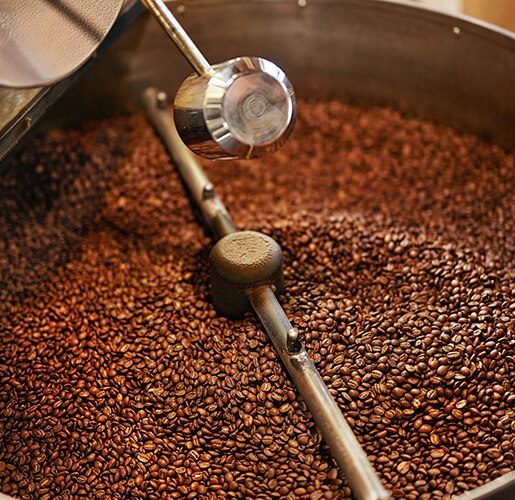
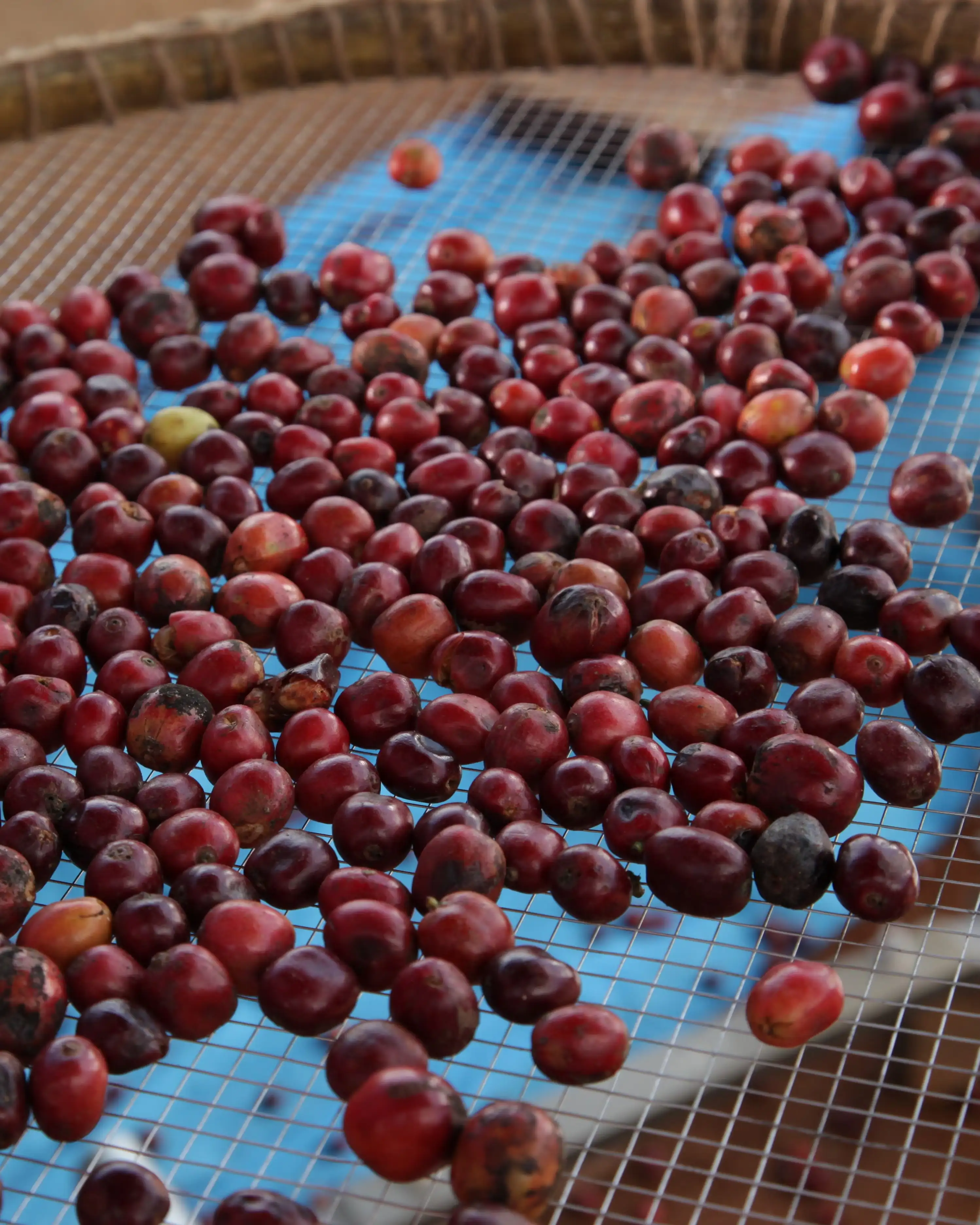
Caffeine is always extracted from green coffee beans. At this stage, green coffee differs from roasted coffee: the beans do not yet contain the aromas developed during roasting, so caffeine extraction has less impact on the final flavour profile. This is why caffeine is never removed from roasted coffee.
The most common decaffeination methods
Several established methods are used worldwide to remove caffeine. Their goal is the same, but their technological approaches differ.
Swiss Water Process
The Swiss Water Process works using only water. This method produces decaffeinated coffee without chemicals while preserving most of the aromatic compounds. It is especially popular among those who prefer natural processing methods.
CO₂-based process
The CO₂-based method uses supercritical CO₂, which is an effective solvent for caffeine. The process is precise, as the carbon dioxide selectively removes the caffeine while largely leaving the flavour compounds intact.
Solvent-based process
In the solvent-based decaffeination process, food-grade solvents are used. These substances are strictly regulated and do not remain in detectable amounts in the final product. This is one of the most widely used decaffeination methods in the industry.
How much caffeine is in decaffeinated coffee?
Decaffeinated coffee has a significantly lower caffeine content than regular coffee, but it is important to emphasise that it is not completely caffeine-free. During decaffeination, most of the caffeine is removed, but for technical reasons, a small amount may remain. Therefore, the caffeine content is much lower, but not completely eliminated.
In general, the caffeine content of a cup of decaffeinated coffee depends on the processing method, the type of coffee, and the brewing method. In practice, however, these differences are small, and the effects of caffeine are barely noticeable for most people.
- A cup of decaffeinated coffee usually contains 2–5 mg of caffeine.
- This amount is only a fraction of the caffeine content found in regular coffee.
- At this level, the effects of caffeine are generally minimal, especially when it comes to stimulating the central nervous system. For comparison, the caffeine content of an average espresso or long coffee can be up to twenty times higher. For this reason, decaffeinated coffee is often a preferred alternative for those who want to reduce their daily caffeine intake without giving up the taste and enjoyment of coffee.
In general, the caffeine content of a cup of decaffeinated coffee depends on the processing method, the type of coffee, and the brewing method. In practice, however, these differences are small, and the effects of caffeine are barely noticeable for most people.
- A cup of decaffeinated coffee usually contains 2–5 mg of caffeine.
- This amount is only a fraction of the caffeine content found in regular coffee.
- At this level, the effects of caffeine are generally minimal, especially when it comes to stimulating the central nervous system. For comparison, the caffeine content of an average espresso or long coffee can be up to twenty times higher. For this reason, decaffeinated coffee is often a preferred alternative for those who want to reduce their daily caffeine intake without giving up the taste and enjoyment of coffee.
Caffeine content in the most common coffee drinks
The caffeine content of coffee depends on many factors, including the type of coffee, the brewing method, the grind size, and the extraction time. While many people associate the strength of coffee with its flavour intensity, the caffeine content does not always correlate directly with taste. Some drinks may have a stronger flavour but a moderate caffeine content, while others with a milder taste can contain more caffeine.
It is also important to consider the serving size: a smaller drink can be more concentrated, whereas a larger cup will have a higher total caffeine content. Therefore, when comparing different coffee drinks, it is worth taking into account not only the brewing method but also the amount served.
It is also important to consider the serving size: a smaller drink can be more concentrated, whereas a larger cup will have a higher total caffeine content. Therefore, when comparing different coffee drinks, it is worth taking into account not only the brewing method but also the amount served.
Espresso, Ristretto, and Doppio
The caffeine content of espresso is concentrated because it is made with a small amount of water. A typical espresso contains around 60–80 mg of caffeine. The caffeine content of a ristretto can be similar, while a doppio contains approximately twice as much caffeine.
Texture and Consistency:
The blending process gives a Frappé its thick, creamy texture, similar to a milkshake. It is frothy and often topped with whipped cream or other toppings. Iced coffee, on the other hand, retains the liquid consistency of regular coffee, served chilled over ice, offering a lighter and more refreshing drink compared to a Frappé.
Lungo and Americano
A lungo can have a higher caffeine content due to its longer extraction time. The caffeine content of an Americano is similar to that of an espresso, as adding water does not significantly reduce its caffeine content.
How much caffeine can be consumed in a day?
According to most health recommendations, the daily caffeine intake for adults should not exceed 400 mg, which is generally considered a safe amount for healthy individuals. This roughly corresponds to 3–4 cups of regular coffee, depending on the type of drink and brewing method. However, the effects of caffeine on the body are not the same for everyone, as individual sensitivity, metabolism, and lifestyle all influence how caffeine is processed.
Some people may experience typical effects of caffeine, such as restlessness or sleep disturbances, even after consuming small amounts, while others can tolerate larger doses without any problems. It is also important to consider that caffeine is found not only in coffee but also in tea, energy drinks, soft drinks, and certain foods. Therefore, when assessing total daily intake, all sources of caffeine should be taken into account, not just coffee consumption.
Some people may experience typical effects of caffeine, such as restlessness or sleep disturbances, even after consuming small amounts, while others can tolerate larger doses without any problems. It is also important to consider that caffeine is found not only in coffee but also in tea, energy drinks, soft drinks, and certain foods. Therefore, when assessing total daily intake, all sources of caffeine should be taken into account, not just coffee consumption.
The effects of decaffeinated coffee on the body
The effects of decaffeinated coffee on the body differ from those of regular coffee in several ways, primarily because most of the caffeine responsible for its stimulating effects is absent. As a result, the decaffeinated version has less effect on the nervous system, heart rate, and sleep–wake cycle. However, it is important to note that decaffeinated coffee still contains many natural compounds that contribute to the characteristic properties of coffee.
The antioxidants and other bioactive compounds found in coffee are also present in the decaffeinated version, so the flavour and certain physiological effects of coffee remain. For this reason, decaffeinated coffee is often a preferred alternative for those who want to reduce their caffeine intake without completely giving up coffee.
The antioxidants and other bioactive compounds found in coffee are also present in the decaffeinated version, so the flavour and certain physiological effects of coffee remain. For this reason, decaffeinated coffee is often a preferred alternative for those who want to reduce their caffeine intake without completely giving up coffee.
Possible benefits
- Less stressful on the nervous system – Due to its reduced caffeine content, decaffeinated coffee generally has a milder effect, making it less likely to cause nervousness, restlessness, or tension. This can be especially beneficial for those who are sensitive to caffeine or for whom even small amounts can trigger unpleasant symptoms.
- May reduce the risk of sleep disturbances – Since caffeine is known to affect sleep quality, consuming decaffeinated coffee—especially in the afternoon or evening—is less likely to interfere with falling asleep and sleep quality. In this way, the effects of coffee on the body can be more balanced without negatively affecting rest.
- Preserves some of coffee's beneficial properties – Decaffeinated coffee still contains antioxidants and other bioactive compounds characteristic of coffee. As a result, certain positive effects on the body remain, while caffeine-related side effects are significantly reduced.
- Better fits into daily caffeine intake – Drinking decaffeinated coffee can help keep daily caffeine intake within the recommended limits. This allows people to enjoy the taste and ritual of coffee while consciously managing their daily caffeine intake.
- May reduce the risk of sleep disturbances – Since caffeine is known to affect sleep quality, consuming decaffeinated coffee—especially in the afternoon or evening—is less likely to interfere with falling asleep and sleep quality. In this way, the effects of coffee on the body can be more balanced without negatively affecting rest.
- Preserves some of coffee's beneficial properties – Decaffeinated coffee still contains antioxidants and other bioactive compounds characteristic of coffee. As a result, certain positive effects on the body remain, while caffeine-related side effects are significantly reduced.
- Better fits into daily caffeine intake – Drinking decaffeinated coffee can help keep daily caffeine intake within the recommended limits. This allows people to enjoy the taste and ritual of coffee while consciously managing their daily caffeine intake.
Types of decaffeinated coffee
Decaffeinated coffee is available in several different forms, allowing consumers to choose the version that best suits their preparation habits and taste preferences. In addition to ground coffee and decaffeinated whole beans, instant coffee and coffee capsules are also available, combining the convenience of modern coffee preparation with reduced caffeine content.
The different types vary not only in their preparation methods but also in flavour profile, intensity, and their impact on daily caffeine intake. As a result, decaffeinated coffee can be easily incorporated into everyday coffee routines, either as a standalone drink or as an alternative to regular coffee.
The different types vary not only in their preparation methods but also in flavour profile, intensity, and their impact on daily caffeine intake. As a result, decaffeinated coffee can be easily incorporated into everyday coffee routines, either as a standalone drink or as an alternative to regular coffee.
Decaffeinated coffee capsules
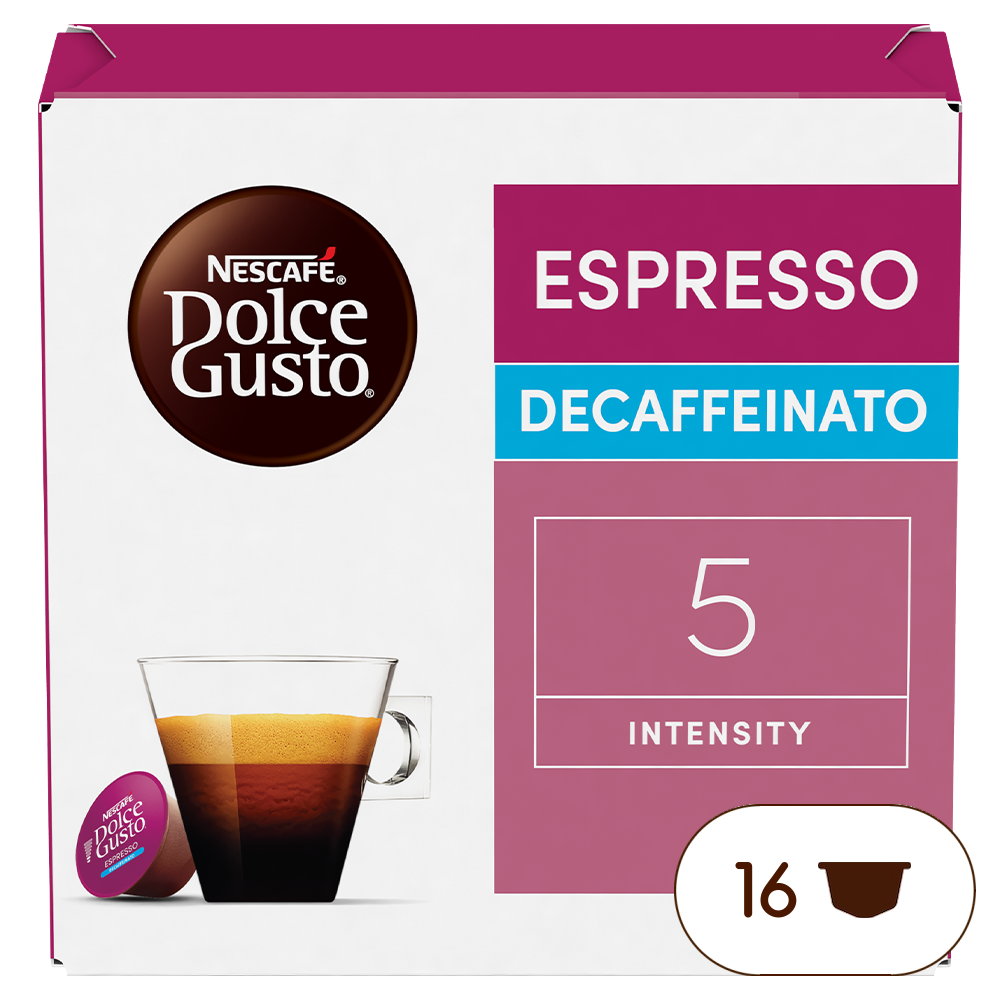
The capsule format is one of the most popular ways to prepare coffee. Espresso Decaffeinato capsules provide consistency in both dosing and preparation while ensuring a smooth and balanced flavour. The advantage of capsules is that espresso without caffeine can be prepared in precise amounts and in a consistent way, which is especially convenient for everyday use. Here you can find a more detailed overview of our range of espresso decaf coffees.
Decaffeinated espresso-based coffees
Decaffeinated versions offer the distinctive flavour of espresso without the caffeine. These drinks retain the intensity and aroma characteristic of espresso while significantly reducing caffeine intake, making their effects on the body milder.
Espresso Intenso Decaffeinato
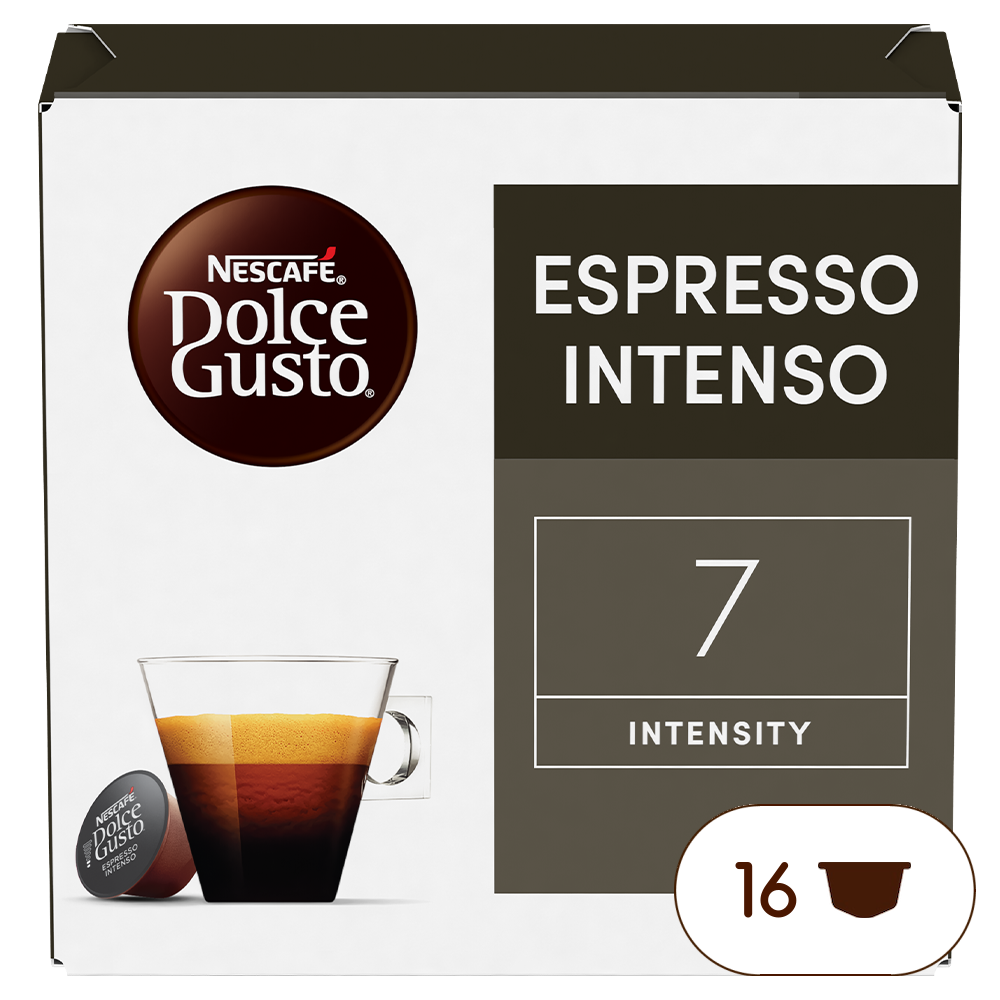
The decaffeinated version of espresso can still deliver a rich, full-bodied taste experience. Discover Espresso Intenso, where full flavour remains even without caffeine.
Espresso Decaf
The decaf version of the classic flavour profile, with minimal caffeine in the espresso-drinks.
Decaf milk-based coffee drinks
Milk-based coffee drinks offer a smoother, more balanced flavour, while the decaf espresso keeps the effects of coffee on the body milder. These drinks are especially popular among those who prefer a creamier texture and a less intense flavour profile.
Decaf Cortado
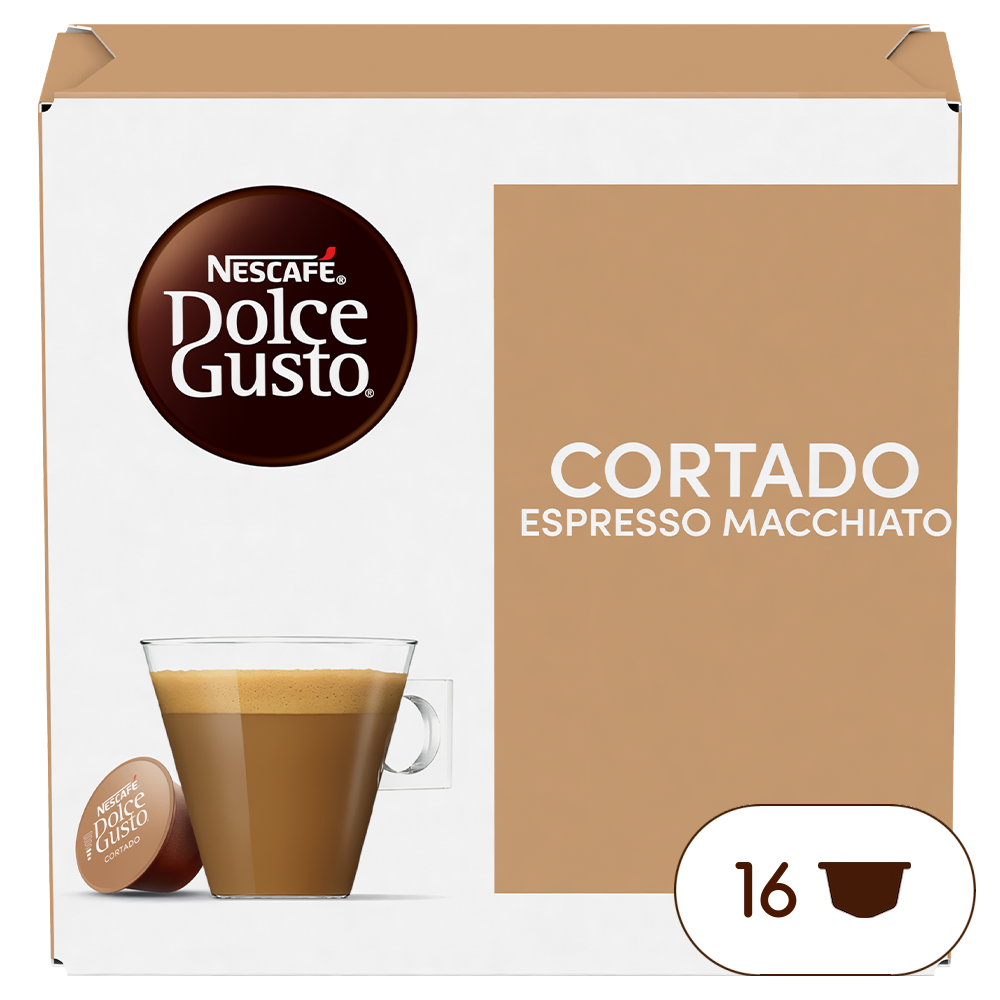
The decaf version of the cortado offers a balanced coffee flavour with milk and minimal caffeine.
Frequently Asked Questions (FAQ)
Why is decaffeinated coffee good?
Because it preserves the flavour of coffee while containing reduced caffeine
Because it preserves the flavour of coffee while containing reduced caffeine
How much caffeine is in decaffeinated coffee?
Usually 2–5 mg per cup.
Usually 2–5 mg per cup.
What is Decaf?
“Decaf” is the short term for decaffeinated coffee.
“Decaf” is the short term for decaffeinated coffee.
What is used to remove caffeine?
Water, CO₂, or food-grade solvents.
Water, CO₂, or food-grade solvents.
How much caffeine is in one cup of coffee?
On average 80–120 mg.
On average 80–120 mg.
How much caffeine can be consumed per day?
Up to 400 mg.
Up to 400 mg.
How is caffeine removed from coffee?
Caffeine is removed from green coffee beans using special processes.
Caffeine is removed from green coffee beans using special processes.
Summary
Decaffeinated coffee offers an alternative that allows you to enjoy coffee with a reduced caffeine intake, without having to completely give up the characteristic flavour profile of coffee. The removal of caffeine is not a random process, but the result of carefully controlled technological procedures aimed at significantly reducing the caffeine content of the coffee. As a result, decaffeinated coffee can be enjoyed even in situations where the caffeine content of regular coffee may not be ideal.
It is important to emphasise that the effects of decaffeinated coffee are generally gentler on the body, while many of coffee’s distinctive qualities—such as its aroma and the experience of drinking it—are preserved. This makes decaffeinated coffee a balanced choice for those who consciously monitor their caffeine intake but still wish to enjoy the daily ritual of drinking coffee.
It is important to emphasise that the effects of decaffeinated coffee are generally gentler on the body, while many of coffee’s distinctive qualities—such as its aroma and the experience of drinking it—are preserved. This makes decaffeinated coffee a balanced choice for those who consciously monitor their caffeine intake but still wish to enjoy the daily ritual of drinking coffee.